
Healthcare is slowly moving past hospitals and clinics. For older adults and those living with long-standing conditions, that change can make care feel more reachable and, weirdly enough, a bit more continuous too.
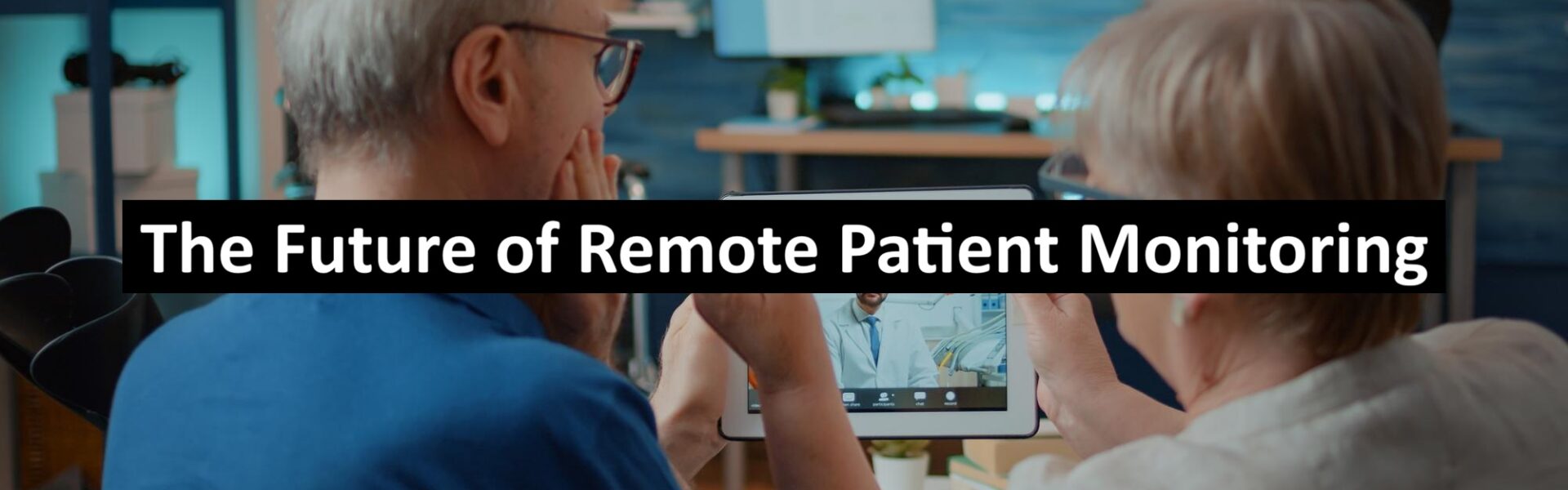
Remote patient monitoring, often RPM, lets healthcare providers keep an eye on a patient’s health data, while the patient stays at home. Connected devices can transmit blood pressure, glucose, heart rate, oxygen saturation, weight and other readings straight to care teams.
The next phase of RPM won’t just be about collecting measurements. Smarter devices, artificial intelligence, EHR integration, plus caregiver tools can transform remote data into practical, timely actions and help make long-term care more preventive, less reactive, and generally better planned.
What is remote patient monitoring?
Remote patient monitoring basically uses connected medical devices to take in health information beyond a hospital or clinic, then it gets sent to healthcare professionals. It is like, the data is captured outside and shared, sorta automatically.
For example , someone dealing with hypertension can use a connected blood pressure monitor at home. The care team can look at how things shift over time and decide if that treatment plan needs a bit more attention, or a quick adjustment, you know.
Read: The 5 Most Overlooked Tips for Successful Aging in Place
Why remote patient monitoring is becoming more important
More people are living with long lasting conditions that really do require regular check ins, follow up of some kind. Diabetes, cardiovascular disease, hypertension, and respiratory conditions often end up needing monitoring between appointment dates , not just when they show up.
RPM gives clinicians this wider lens on a patient’s overall well being. Rather than depending only on one single value taken during a clinic stop, providers can track patterns over several days, or weeks, and get a clearer feel for what’s actually happening.
Patients might also steer clear of certain routine trips to medical facilities, yet still stay connected to their care team.
How remote patient monitoring may change in the future
Several developments are likely to shape the next run of RPM, in a sort of quieter way. You can feel it coming , even if the exact path isn’t fully locked in yet.
Wearable devices will collect more useful data
Medical grade watches, patches, rings, and other sensors are now getting more capable of keeping track of health indicators during the day, like 24/7-ish. In the future the devices may be made smaller, simpler, and easier to handle without much hassle for older adults.
With more durable batteries and setup that’s not so complicated this might really help adoption, a lot more than before. When data keeps coming in, care teams can spot rhythms or changes that might not show up in a brief clinic visit, you know, when time is limited.
AI will help clinicians identify important changes
More monitoring means more data, and that pile is a lot, even for healthcare professionals to review by hand. Sometimes they just can’t keep up in time. Artificial intelligence can help sort through it all and point out the weird upticks, or unusual patterns. For instance, software might notice slow changes in blood pressure, weight, or heart rate, then surface that info for a clinician.
AI is probably going to back clinical decisions rather than fully replace healthcare professionals. Its core value is basically helping the care teams focus on the patients who may actually need attention, not everyone all at once.
RPM will support earlier intervention
Ongoing, steady monitoring gives a chance to catch issues before the signs get real bad, or even before symptoms become severe. One weird measurement might not tell you anything by itself, but if a pattern starts building over a few days, it can really help with the bigger picture. Then the care team can reach out to the patient, check how the medications are being taken, or suggest a visit.
For older adults who live with chronic conditions, earlier action tends to make the whole care approach more proactive, and less reactive in a hurry.
Caregivers will become more connected
Family caregivers often help older adults, with meds, visits, and those day to day habits and stuff.
With patient consent, later RPM platforms might allow caregivers to get certain alerts or brief updates. That, in turn, can help families keep an eye on their older relatives who stay on their own.
And yet, patients should still stay in charge, over who is able to access their info, so nothing slips in unnoticed.
RPM will integrate more closely with EHR systems
Remote data is less useful if it just sort of stays in a separate platform, you know? When it’s not really connected, clinicians end up doing extra steps, kinda.
With better integration into electronic health records, providers can look at remote readings right next to medications, diagnoses, lab results, and even prior visits. That way duplicate work is reduced, and RPM becomes a more natural part of everyday clinical routines instead of this add-on thing.
What RPM means for older adults
Older adults might really benefit from remote patient monitoring , even though it sounds more technical than it is. For a senior with limited mobility, they can dodge some routine clinic stops and not feel stuck.
A person living with diabetes could get quicker help when glucose patterns shift in subtle ways. Someone recovering at home could keep in touch with their healthcare team, without staying in a medical facility for days.
RPM can also help independent living, because it gives patients, caregivers, and clinicians a more precise understanding of health changes. Still, the whole setup has to stay simple and not feel like a chore.
The interface needs readable text, straightforward controls, and instructions that actually make sense. And if patients aren’t comfortable with smartphones, there should be other ways to take part, so nobody gets left out.
Challenges the future of RPM still needs to solve
RPM has some real promise, but when you push it to wider use, it kind of comes with a bunch of hurdles too, not just the good parts.
Alert fatigue
If the software sends too many alerts, clinicians can start feeling overwhelmed pretty fast, like, all at once, and it’s not always great.
So yeah, the future platforms have to use more intelligent guidelines or decision rules that cleanly sort the regular kind of variation from the changes that might actually need action, or at least a closer look.
Data security
RPM systems end up dealing with sensitive health information across different devices, and networks, sometimes in ways that are easy to overlook. For healthcare organizations to do this properly, they need strict access controls, secure transfer of data between places and, ongoing observation of the connected systems.
Security should stay the main focus throughout the whole product lifecycle, not just at the start, or right after launch.
Digital accessibility
Not every older adult has trustworthy internet access or feels quite good about using these digital tools, you know. Sometimes, the whole setup feels too much, like a whole maze.
But with straightforward devices, clear onboarding , maybe some caregiver help, and other kinds of connectivity options, RPM can actually become a real option for more patients.
Patient trust
Continuous monitoring can feel a bit intrusive if patients do not really get what is being collected in the first place. Healthcare providers should spell out, in a clear way, what kind of information the system records, how that information is used and who can actually access it.
If people are confused they may sense, it’s watching them all the time, even when that’s not the point.
Healthcare professionals will remain central
Remote monitoring won’t replace doctors, nurses , or caregivers. You can have devices that measure health indicators, software that helps organize information and AI that can spot certain patterns, but in the end healthcare professionals still have to interpret all that data in the context of the patient’s overall medical story.
The best RPM setup is really a blend between smart tech and hands on human support.
What comes next for remote patient monitoring?
Remote patient monitoring is slowly drifting into more connected and proactive care, and that shift is likely to keep moving forward. Wearables will collect even more continuous signals, AI can help find meaningful trends in all that data, and EHR integration can make remote observations part of everyday clinical routines.
At the same time, healthcare organizations still have to tackle usability, privacy, security, and digital access, because otherwise the whole thing won’t really work for everyone.
For providers planning to build or improve these kinds of connected care platforms, working with teams that offer medical software development services can help bring patient apps, device data, caregiver tools, and clinical workflows together in one system. The future of RPM isn’t about keeping track of patients every single minute. Instead, it’s about delivering useful information to patients and care teams when it actually matters. For older adults, this could translate into more in-home support while preserving independence for a longer stretch of time.