How Strength Training Helps Seniors Maintain Independence as They Age

Life shouldn’t stop simply because you’re getting older. Independence in old age isn’t about doing the grocery shopping, climbing stairs, or getting up out of the chair. It’s about being able to carry the groceries and getting up to spend quality time with your family. Here, strength training is associated with independence in old age.
Your ability to maintain the physical capabilities of everyday life doesn’t depend on being able to bench press 300. Strength training for seniors focuses on developing and maintaining easy, steady strength.
Strength training, done correctly, with appropriate methods and pacing, will enable seniors to build strength and increase mobility and independence.
Strength Makes Everyday Tasks Easier
Activities we all do every day, which we often fail to realize, require a lot of strength. Opening the door to the laundry room and carrying a fully loaded laundry basket requires the use of all the muscles of the body.
Strength training provides the necessary structure to support the muscles of daily activities, and when strength declines, it’s easy to feel tired. Wall push-ups or chair squats are great strength training exercises for the upper body.
Seniors develop the strength and confidence needed to perform household chores and other activities of daily living (ADLs).
Leg Strength Develops Mobility
Strength in the legs helps seniors live independently by enabling them to walk, stand, rise from a seated position on a chair, climb stairs, move around, and do all of that without assistance.
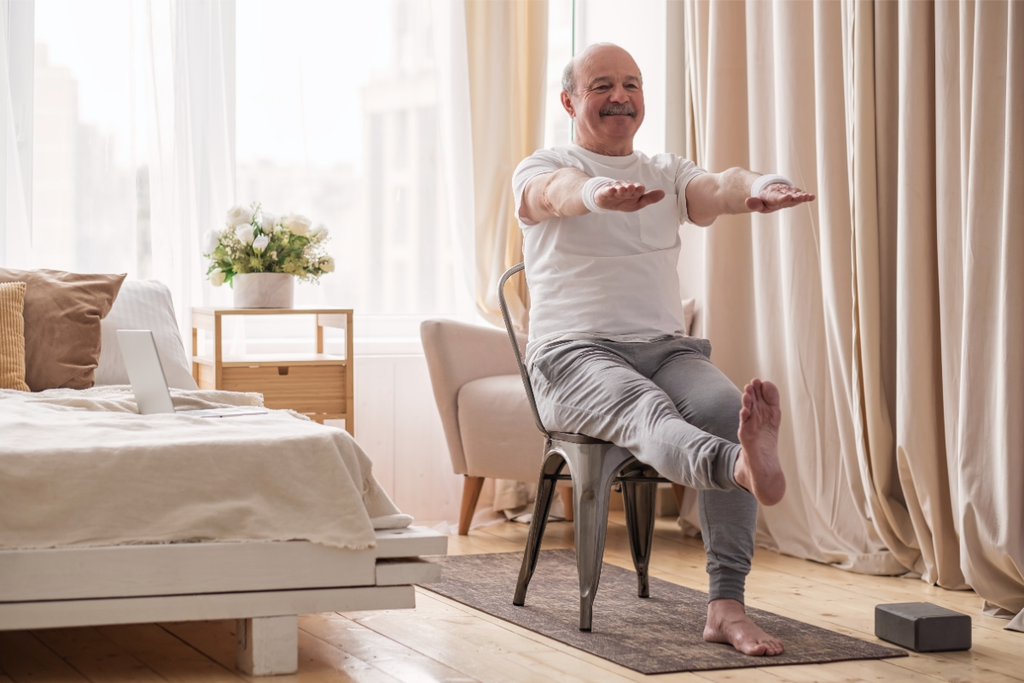
A good beginner’s exercise for leg strength is to stand up and sit down. To execute this exercise, position yourself in a sturdy chair and cross your legs. Lean slightly and slowly rise to a standing position; then slowly sit back down. For starting seniors, this exercise is easier with step-up aids.
Leg strength and mobility are improved with this exercise.
Read: The Future of Remote Patient Monitoring
Strength Training Enhances Balance and Stability
Many seniors avoid social outings and even using the stairs due to balance issues. Although strength training by seniors can improve balance issues, it is not effective enough to eliminate them.
Leg strength and hip strength improve balance and stability. Some simple exercises to add to your routine that can help with stability include standing leg lifts, heel raises, and knee lifts while standing or in a balancing position.
Due to the risk of falling, position your body as close to a wall or counter as possible while you practice balance exercises.
The Importance of Bone Health and Fall Protection
As we grow older, the strength of our bones decreases. This is partly due to muscle weakness. Strength and resistance training may help maintain healthy bones.
If muscles and bones are stronger, the risk of serious injury after a fall may decrease, even though falls and fractures may not be completely eliminated. Exercise may help older adults reduce the risk of falls and improve their safety by enhancing various aspects of their health.
People with osteoporosis, arthritis, and other complicating conditions should consult their care providers and/or a certified physical therapist about the specific exercises that would benefit them.
Confidence Can Be as Important as Physical Strength
It is physical strength, but also the confidence to use that strength.
The confidence to use the strength may inspire older individuals to participate in physical activities, which may improve their movement as a result of increased strength. This may lead to an increase in their physical strength, which may in turn improve their movement, creating a positive cycle.
Basic improvements can have a large impact. Greater physical independence may improve an individual’s quality of life.
Simple Strength Exercises for Beginners
If you are on a budget and do not want to splurge on a gym membership, there are many ways to get started without the costs. Chances are, your home is not devoid of items to assist you with strength training.
Here are some examples of simple exercises:
- Squats are a simple exercise. To make them easier, you can use a chair.
- Wall push-ups are an easier version of push-ups.
- Standing on your toes to heel-raise exercises strengthens your calves and improves your ankle stability.
- Leg extensions are performed while seated and can be used to increase thigh strength.
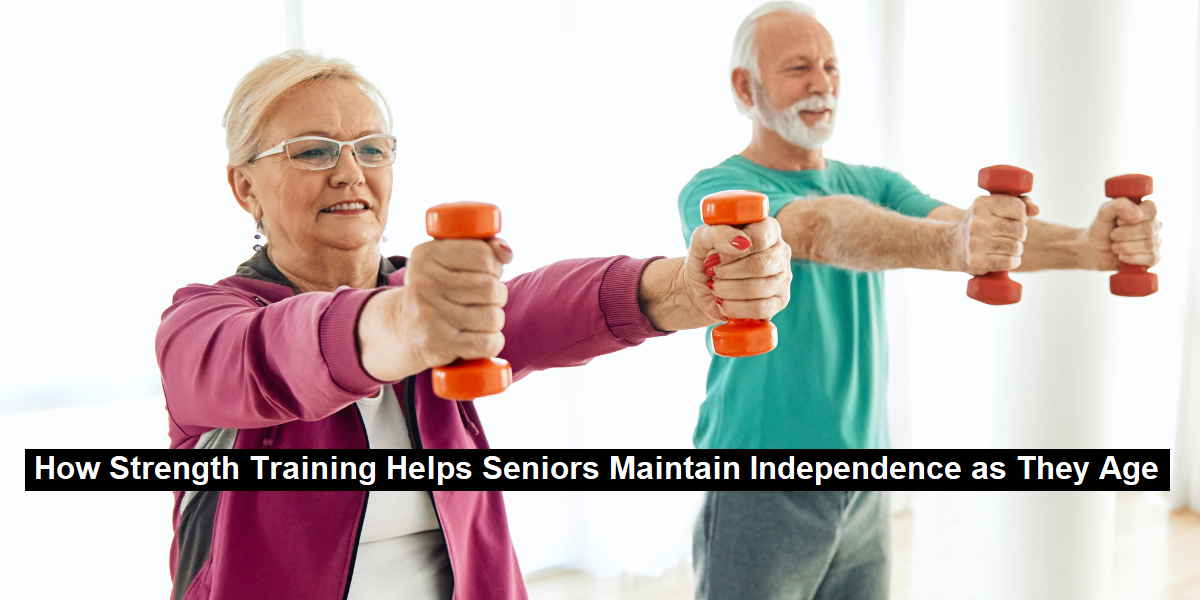
- You can use small weights or water bottles to perform biceps curls.
- A standing leg raise can strengthen your hips if you stabilize your upper body against a firm surface.
Start slow with your repetitions and really focus on reducing the velocity of your movement. Take breaks in between sets. If you want to increase the intensity of the workout, just increase the difficulty of the sets.
Consistency Is More Important Than Intensity
As people get older, it’s important to start a strength-building routine where you really don’t need to increase the intensity very much, if at all. The priority should be regular routines. Never push through an exercise that gives you pain that gets worse (especially sharp), makes you dizzy, or causes you to grab your chest a lot.
Many older people would benefit from training twice a week to start. If you walk, do some stretching, and do some balancing exercises, it can be a good routine for getting and staying healthy in your older years.
Family members and caregivers can help by exercising with the older adult. At first, older adults may need a lot of encouragement, support, and supervision to exercise, but everyone needs to start somewhere, and having a safe environment to exercise is all seniors need to get started.
Final Thoughts
This is easily the most practical solution for seniors looking to preserve their independence as they age. The benefits of exercise for seniors are increased flexibility, improved stability, strengthened bones, and the ability to perform everyday activities with less exertion.
Being able to continue living an independent lifestyle means being able to dress oneself, eat, perform activities of daily living, enjoy one’s hobbies, and spend quality time with family and friends.
Patience and consistency are required to strengthen one’s frame and enable older adults to enjoy an active and more independent lifestyle.