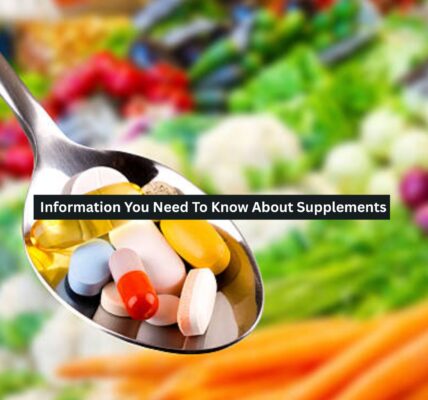

Dietary Supplements: Their Advantages, Drawbacks, Dangers, And Prospects Products

While many of these supplements do have known benefits, you should be aware of the risks. Supplements to your diet may reduce your risk of certain health conditions and improve your overall health. If a person suffers from a particular health condition, is at risk of developing a particular condition, or consumes a diet deficient in nutrients, healthcare professionals frequently suggest taking dietary supplements. However, this does not guarantee that taking nutritional supplements is always safe. They may cause harm to organs and nerves, among other things.
What Are Nutritional Supplements?
Products like vitamins, minerals, herbs, enzymes, amino acids, and botanicals are all examples of dietary supplements. They can be bought at a store. Vitamins C and D, fish oil, echinacea, melatonin, calcium, iron, and probiotics are examples of common supplements.
Forms Of Supplements
The majority come in multiple forms, including:
- Tablets
- Capsules
- Gummies
- Teas
- Powders
- Candies
- Energizer drinks
- Bars of nutrition
What Advantages Do Nutritional Supplements Provide?
Nutrients can be found in abundance in dietary supplements. They may reduce your risk of certain health conditions and help improve your overall health.
When A Dietary Supplement May Be Suggested
A dietary supplement may be suggested by a medical professional if you:
- Have a high risk of a health condition that can be reduced by adding a nutrient to their diet.
- Need more nutrients if you’re pregnant or breastfeeding.
- Have a condition that makes it hard for your body to absorb nutrients, such as kidney failure.
- Eat a restricted or specialized diet deficient in a particular nutrient.
- Suffer from malnutrition and a lack of nutrients in your diet.
- Receive laboratory results indicating a lack of a particular nutrient.
- Are older and have difficulty absorbing food nutrients.
Examples Of Benefits
Some supplements have been linked to better health and a lower risk of certain conditions. For instance:
- Folic acid contributes to a lower risk of problems with fetal development.
- Fish oil’s omega-3 fatty acids are linked with better health for the heart.
- Vitamin D and calcium can assist in reducing loss of bone.
- St. John’s wort and rosemary contain antioxidant properties.
- Probiotics aid digestion and the immune system.
- Magnesium helps digestion and quality sleep.
Are There Any Negative Effects From Taking Nutritional Supplements?
If you take a lot of supplements at the same time or in high doses, you run the risk of experiencing side effects. It can be simple to take an excessive amount without realizing it.
Short-Term Side Effects
Dietary supplements may cause the following:
- Nausea
- Vomiting
- Headache
- Constipation
- Excessive lack of sleep
Long-Term Dangers
Supplements can also result in long-term problems and dangers like:
- Damage to the liver or another organ
- Diminished bone strength
- Anomalies in the development of the fetus
- Heightened danger of bleeding
- Changes in the way you react to anesthesia
- Diminished efficacy of chemotherapy
- Damage to the nervous system
Drug Interactions
There is a possibility of drug interactions with some supplements. For example, Vitamin K has been shown to decrease the effectiveness of the blood thinner warfarin.
What Distinguishes Dietary Supplements From Food Supplements?
Supplements made from specific ingredients that are not made in a lab, are made to be added to foods, or are high in calories are sometimes labeled as “food supplements.”
Food supplements are supplements that provide calories and are meant to replace a meal or a portion of a meal.
How Do People Who Take Nutritional Supplements Fare?
Any supplements you take should be discussed with a healthcare professional. The kind of supplement you take, the amount you take, the reason you’re taking it, your overall health, and any medications you take all play a role in the risks and outlook.
Questions Frequently Asked
What Effects Do Supplements Have On Your Body?
Your body responds differently to different dietary supplements. For example, Vitamin D aids in the absorption of calcium, and curcumin has potential effects as well.
Do Supplements In Your Diet Help You Lose Weight?
Weight loss is one of the benefits claimed by many supplements. However, the majority of these assertions are supported by little to no scientific evidence.
How Quickly Do Dietary Supplements Begin To Work?
The dosage and type of a supplement determine how long it will take to see results. It may take only a few days at times, but for some supplements, effects may not be evident for weeks or months.
Takeaway
Vitamins, minerals, herbs, and other dietary supplements can help you get the nutrients you need and improve your overall health. However, there are risks and side effects associated with supplements as well. Any supplements you take should be discussed with a healthcare professional to ensure their safety.
How To Skilfully Read Supplement Labels
The best way to get the vitamins and minerals you need is to eat a well-balanced diet. Nonetheless, taking a supplement may be necessary in some instances. Purchasing supplements can be difficult, but reading labels helps.
Supplementary Requirements
Products that are meant to be added to your diet are called dietary supplements. They are available as:
- Tablet
- Capsule
- Liquid
- Pill
- Powder
Supplementary Data
The majority of a supplement’s basic information can be found on the supplement facts label, including the serving size, number of servings, ingredients, and nutrient content.
Quality
Current Good Manufacturing Practices (CGMPs) ensure supplements meet requirements for strength, identity, purity, and composition. Third-party certifications (NSF, USP, ConsumerLab, BSCG, UL, IFOS) are good indicators of quality.
Ingredients
It is essential to read the ingredient label when selecting a supplement. Look for fillers, sweeteners, preservatives, and additives.
Terminology On Labels
Natural
The FDA states that products without artificial or synthetic ingredients, such as flavors or colors, can be labeled “natural.”
Organic
Supplements can be sold as organic if they follow the National Organic Program’s rules. Certified organic products display the USDA seal.
Whole Food Or Food-Based
These supplements are made from concentrated blends of dehydrated food ingredients. While appealing, this does not always guarantee higher quality.